6:00 am - 4:20 pm / San - Sat



Technological Innovations in Instant Home Production: From 3D Printing to Automation
Technological Innovations in Instant Home Production: From 3D Printing to Automation
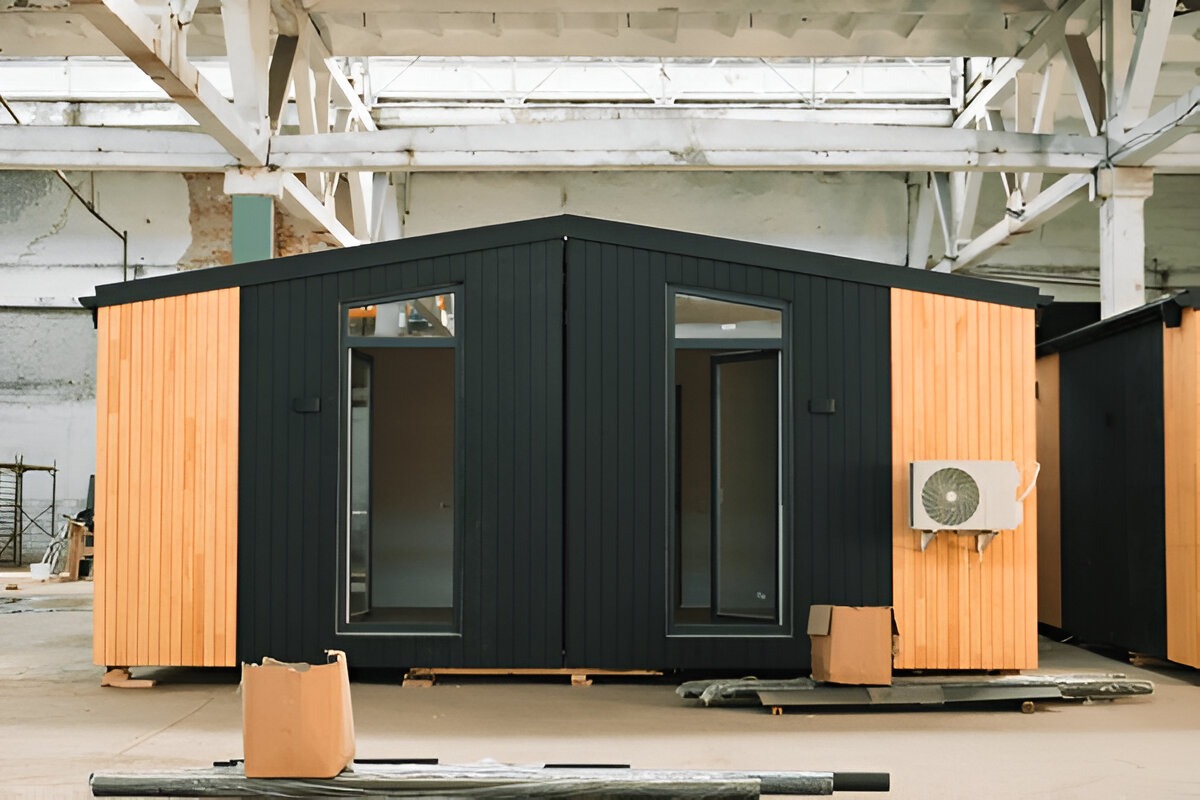
Instant homes have evolved from mere prefabrication into high-tech products thanks to the integration of 3D printing, robotics, AI, and IoT. These technologies cut production time by up to 80%, increase precision, and lower costs by 30–50%. This article explores the latest innovations in instant home production, their impact on quality, scalability, and application examples in Indonesia and globally.
- 3D Printing of Concrete and Composites
A gantry/crane-mounted extrusion concrete printer prints the walls of a 60 m² house layer by layer using special mortar (M40–M60). The process takes 24–48 hours for a 60 m² house, including integrated electrical/plumbing.
Advantages: Zero print waste, organic shapes (curved, dome), and twice the strength of conventional bricks. For example, ICON (USA) printed 500 36 m² 36 m² 36 m² 36 m² houses for the victims of the 2022 Texas floods. In Indonesia, PT Wijaya Karya tested a COBOD printer for a 36 m² 36 m² 36 m² 36 m² house at the IKN (2024), which was completed in 36 hours. - Factory Automation (Robotic Assembly Line)
A 6-axis robot (KUKA/ABB) assembles sandwich panels, cuts lightweight steel, and solders cables. The automated production line produces one 3D module (18 m²) per 4 hours—vs. 3 days manually.
Advantages: 0.2 mm tolerance, 100% QC via vision system, capacity of 1,000 units/month. Broad Group (China) built a 10-story hotel from automated modules in 28 hours (2021). In Indonesia, PT Modern Panel adopted robotic welding for instant housing for miners, achieving 99.9% connection accuracy.
